How to turn a portrait photo into artwork that still feels personal
The best starting point is often a photo you already care about: a laugh across a table, a quiet look, or a moment with someone close. A personal photo poster should help you notice that moment again. Here is how to give it a useful starting point.
From the Everyday Rare team · September 17, 2026

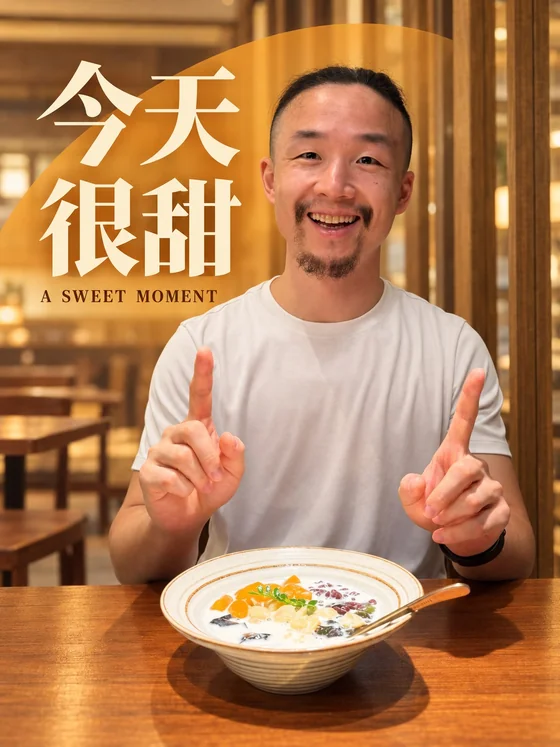
Choose the expression before the background
A polished background is not essential. Begin with an expression or gesture you want to remember. A face that is clear and reasonably large gives the creative process more to work with than a distant person in a busy scene. Choose the original camera file when possible; screenshots and heavily compressed messages can hide details. For two or more people, check that each face is visible. A hand on a shoulder or a shared glance may carry more of the story than everyone looking at the camera. Tell the app if that relationship is the part you want to keep.
Give the design a reason for its words
Words work best when they belong to the photograph. A short phrase can echo an expression, name a place, or mark an occasion. Long quotes and several competing titles leave less space for the photo. If the exact wording matters, write it explicitly in your idea and say which language to use. For example: “Keep the relaxed smile and warm restaurant light. Use the title A Sweet Moment in English.” This tells the app what matters without prescribing every font, color, and position. You can also ask for an image without a title; generated details still need checking.
Look for a composition, not only a filter
A strong photo poster can change the relationship between a person and the space around them. A title might sit beside a face, follow a diagonal, or appear behind a clearly defined silhouette. Those choices depend on the original composition. Large type is not automatically better, and small type is not automatically more refined. In A Sweet Moment, the warm palette and open area beside the face support a generous bilingual title. The expression stays the center of attention. The example shows one creative interpretation, not a style preset that every portrait will receive.
Compare the things that make the photo yours
When the artwork returns, compare faces, hands, expressions, clothing, and the relationship between people. AI may change these details. Read every generated word as well. If the result is attractive but no longer feels like the moment, it is reasonable to adjust your idea. In Everyday Rare, hold to view the original, then release to return to the result. Keep your favorite artwork in Gallery and save important results to Photos. The service is a creative tool, not a substitute for documentary accuracy or an identity-photo service.
A simple starting idea
“Make this feel warm and personal. Keep the expression and gesture recognizable. Let the lettering support the photo.” Use this as a starting point, not a guarantee. You do not need a prompt at all: People & stories can begin with the photo alone. Only upload photos you have permission to use, especially when they include other people.